
Bringing a foster or newly adopted dog home is exciting, and if you're reading this at 11pm because your new dog won't settle down, it's also a little nerve-wracking. That's completely normal. If you're fostering a dog in Montgomery County or in the surrounding areas, here's what actually helps in those first few weeks, no guesswork required.
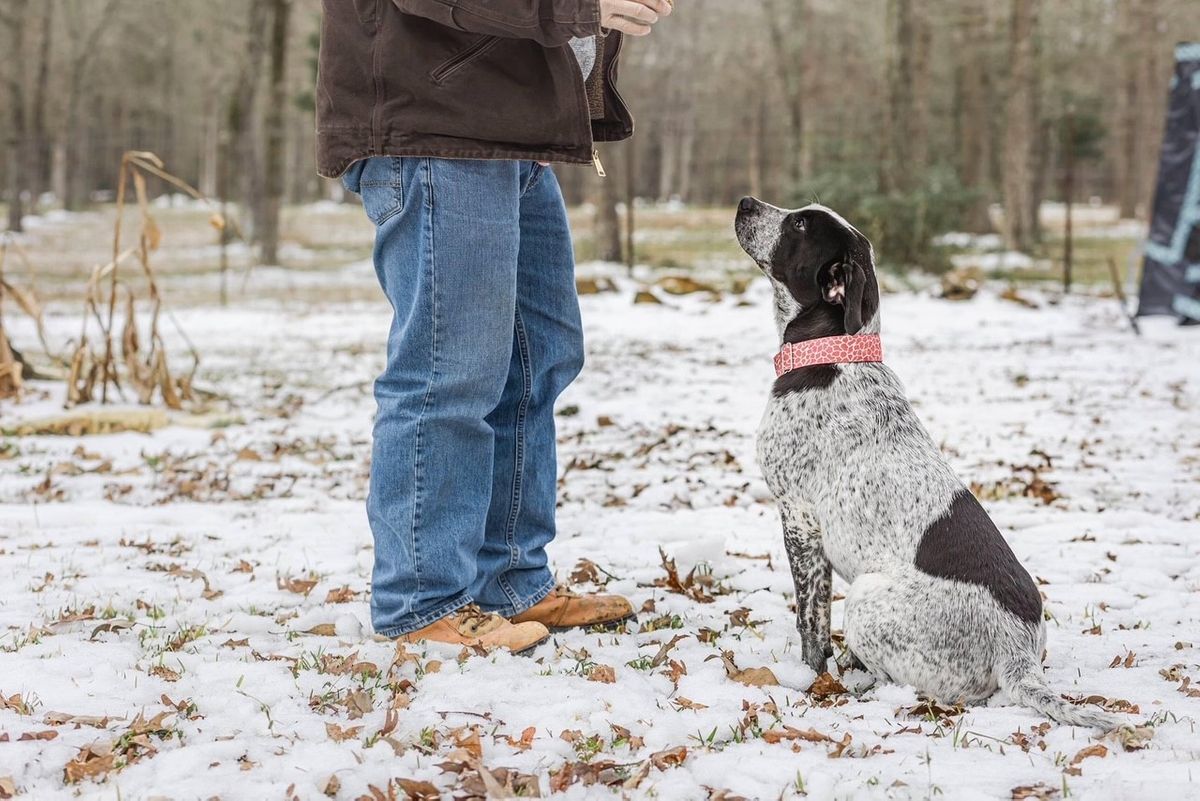
Fostering a Dog: What to Expect the First Few Weeks
By: Samantha Quinones
Key takeaways
The 3-3-3 rule offers a rough adjustment guide, but every dog moves at their own pace.
A simple game called ping pong recall can help build trust while practicing coming when called.
Treat a new dog like you don't know them yet, because you don't: feed separately, use a harness and slip lead outside, and never leave them unattended, even in a fenced yard.
Kids should let a new dog approach them, not the other way around. This one's non-negotiable.
Feeding separately is a habit worth keeping for life, not just during the adjustment period.
How long does it take for a rescue or foster dog to adjust to a new home?
Most dogs follow a rough timeline that shelters and rescues call the 3-3-3 rule:
3 days to decompress. Your new dog is overwhelmed, possibly shut down, and still figuring out that this is home now, not another temporary stop.
3 weeks to learn the routine. This is when personality starts showing up, as your dog learns your schedule, your house rules, and who lives here.
3 months to feel fully bonded and comfortable.
The 3-3-3 rule is a general guide, not a deadline. Some dogs need longer to feel comfortable. Give them time and space, but don't assume every change is just stress. If your dog isn't eating, seems unwell, or shows persistent or worsening fear, contact your foster coordinator and veterinarian for guidance.
How can you build confidence in a fearful foster dog?
Help a fearful foster dog build confidence with a predictable routine, a quiet place to rest, and small, rewarding experiences they can choose to join.
Some foster dogs have experienced abuse or neglect. Others are overwhelmed by unfamiliar people and surroundings. As Houston SPCA explains, patience and gentle handling matter when a dog is adjusting to another new home. You don't need to know their whole history to help them feel safe today.
Make the day predictable. Keep meals, potty breaks, and rest on a consistent schedule.
Let your dog choose contact. Give them room to approach or move away. Avoid forced greetings, hugs, or reaching into their hiding place.
Reward small steps. Quietly offer a small treat when your dog chooses to approach. Let them take it without requiring petting in return.
Offer an easy sniffing game. Once your dog is comfortable eating, scatter a few pieces of their usual kibble on a clean floor in their quiet space. Supervise and keep other pets separate.
Keep activities short and stop if your dog seems uncomfortable. The SPCA of Texas guide to caring for a fearful dog recommends moving slowly, rewarding voluntary approaches, and avoiding pressure. Confidence grows through small successes, not a deadline.
What is ping pong recall, and how does it help a new dog bond with you?
Ping pong recall is a simple training game where two people stand apart and call the dog back and forth, rewarding each return with a treat or praise.
It sounds almost too simple to matter, but it does double duty. It gives your dog practice coming when called, which matters for safety, while helping them build trust in you. Every time your dog runs to you and gets rewarded, you're teaching them that coming to you is always a good idea. That lesson pays off for the rest of the dog's life, not just the foster period.
You don't need a big yard or a training background to do this. A hallway and two people works fine.
What safety precautions should you take with a dog you don't know yet?
Here's the part that's easy to skip when you're excited about a new dog: you don't actually know this dog yet, no matter how sweet they seem in the first hour.
A few things worth doing from day one:
Feed separately or crated, especially if you have other pets. You don't yet know how this dog feels about sharing food, and resource guarding is far easier to prevent than to fix.
Use a harness and a slip lead outside. You don't know if this dog is a flight risk yet, and a collar alone isn't enough insurance for a dog who might bolt at a loud noise or an open gate.
Never leave a new dog unattended outside, even for a minute. Even in a fenced yard. Fences get tested by dogs who are anxious, curious, or just plain athletic.
None of this means treating your new dog like a stranger forever. It just means giving yourself a few weeks to actually learn who they are before assuming you already know.
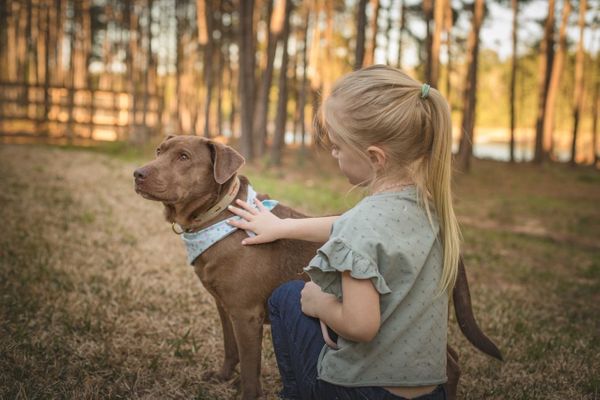
Should kids be allowed to hug or crowd a new dog right away?
No, and this is worth saying plainly. A brand-new dog needs space, not enthusiasm, even from the kindest kid in the house.
We've seen what happens when this gets skipped. One foster dog was returned after a group of kids crowded and hugged him on his first day. He never bit anyone. He did exactly what a stressed dog is supposed to do: he signaled that he needed space. Nobody read the signal, and he ended up back in the system through no fault of his own. Another rescue organization had a dog returned after a child got too close to his face and ended up with a puncture wound.
The fix is simple: let the dog approach the kids, not the other way around, and give it time.
The habit worth keeping long after the adjustment period
Feeding a dog separately or in a crate is a great practice to keep even once your new dog is fully settled in, not just a new-dog precaution. It gives every dog in the house a calm, low-pressure space to eat, and it heads off a whole category of conflict before it starts. This isn't just theory: even dogs who've been part of a stable, loving home for years benefit from it.
While you're getting your new dog settled
Two more things worth doing early, even though they're not part of the adjustment timeline above:
If your foster or newly adopted dog hasn't been spayed or neutered yet, it's worth understanding why that matters for their long-term health, and how Fixing Montgomery County makes it affordable. And since Montgomery County sits in one of the most active heartworm transmission zones in the country, getting your new dog started on prevention early is a small cost that heads off a much bigger one later.
Frequently asked questions
What does fostering a dog involve?
Fostering means temporarily caring for a dog in your home, usually through a rescue or shelter, while they wait for a permanent adoptive family. Fosters provide food, shelter, basic training, and a decompression period that shelters often can't offer.
How long does it take for a rescue dog to adjust to a new home?
The 3-3-3 rule offers a rough guide: three days to decompress, three weeks to learn the routine, and three months to feel at home. Every dog moves at their own pace, and some need longer.
What is ping pong recall?
A training game where two people call a dog back and forth between them, rewarding each return to build trust and a reliable recall.
Should I feed a new dog separately from my other pets?
Yes. Separate feeding gives each dog a calm space to eat and reduces opportunities for conflict around food. It's a useful habit to continue even after your new dog settles in.
If you found this guide helpful, please consider donating to Lone Star Animal Welfare League. Your gift helps fund our mission of bettering the lives of pets in Montgomery County and surrounding areas through affordable spay and neuter services, pet food assistance, and support for animals in need. Thank you for helping us care for our community's best friends.