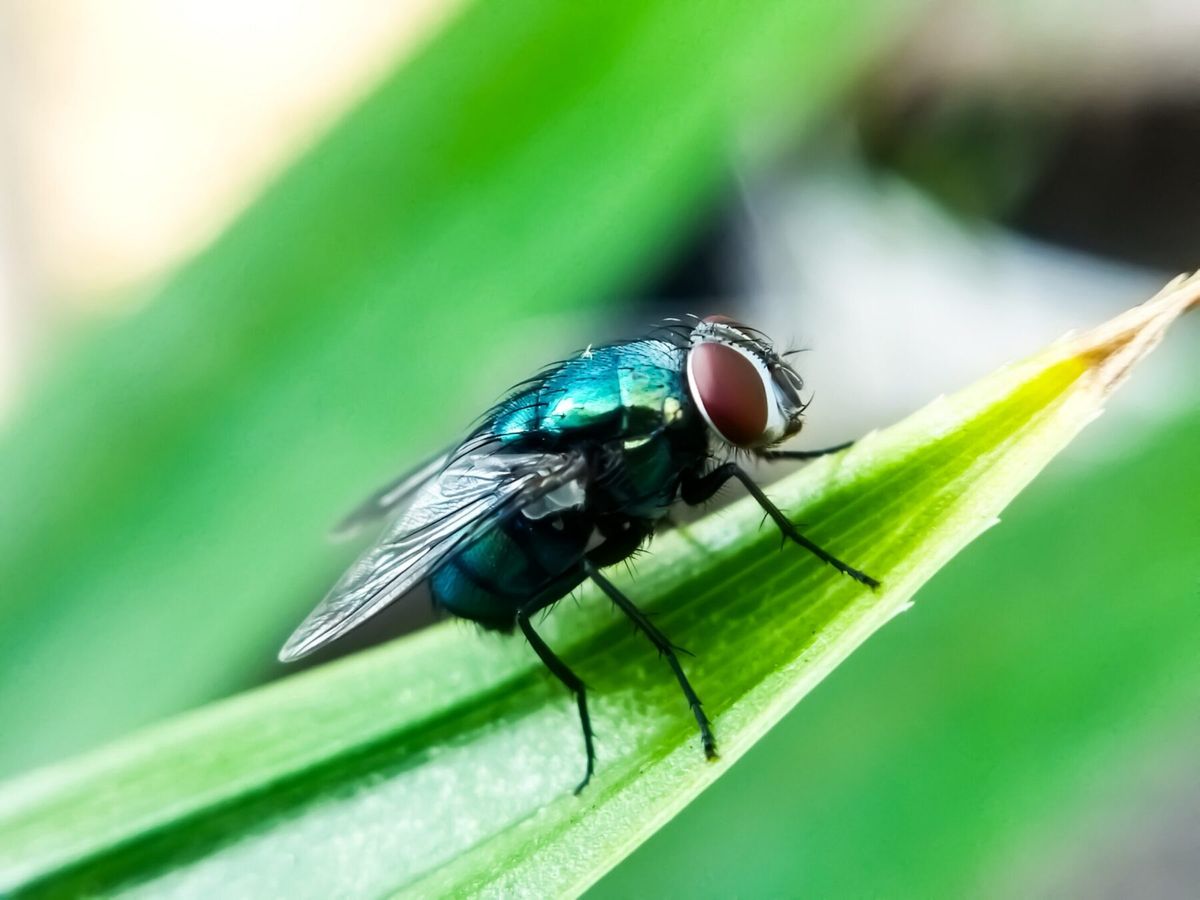
Image of New World screwworm (Cochliomyia hominivorax) from Texas A&M website - NWS-1800x1350.jpeg

New World Screwworm and Your Dog: What Texas Pet Parents Need to Know

Image source: Texas A&M

In June 2026, the New World screwworm was confirmed in the United States for the first time in nearly 60 years, and the earliest cases turned up right here in Texas. If you saw the headlines and felt a flicker of worry for your dog, you are not alone. The good news is that this is a stay-informed situation, not a reason to panic, and protecting your dog comes down to a few simple habits you may already have.

Here is what the New World screwworm is, where it actually is in Texas right now, and exactly how to keep your dog safe.

Key Takeaways

  • The New World screwworm (Cochliomyia hominivorax) is a parasitic fly, not a worm. Its larvae feed on the living tissue of warm-blooded animals, usually entering through an open wound.

  • It was confirmed in Texas in June 2026, the first detection in the United States in nearly 60 years.

  • As of mid-2026, cases are limited to South and West Texas. It has not been found in Montgomery County or the greater Houston area.

  • Cattle are the most commonly affected animals, and dogs are second.

  • Prevention is mostly attentive wound care: check your dog for wounds, clean and monitor them, and keep up with routine veterinary visits.

  • Caught early, infestations are treatable, and most animals recover well.

  • Screwworm is also disrupting pet travel and rescue transport out of Texas. Many states now require extra paperwork, and a few have paused intake of Texas rescue animals, so always confirm current rules with the destination state before crossing state lines.

What Is the New World Screwworm?

Despite the name, the New World screwworm is not a worm. It is the larval stage of a parasitic blow fly, and it earned its name from the screw-like shape of its larvae.

According to Texas A&M's College of Veterinary Medicine, the adult fly is mostly harmless on its own. The danger starts when a female is drawn to an open wound, even something as small as a scratch, an insect bite, or a healing surgical incision. She lays her eggs around the edges of that wound, and within about 12 hours the larvae hatch and begin feeding on living tissue.

That last part is what sets this parasite apart. Most flies you shoo off your porch are content with decaying matter. Screwworm larvae need a living host to survive, and a single wound can attract dozens or even hundreds of them. Left untreated, the damage escalates quickly. That is why early detection matters so much, and it is also why the fix is so straightforward once you know what to look for.

The adult flies are easy to overlook but distinctive up close: a striking metallic green or blue body with reddish eyes. They prefer warm weather, staying active roughly between 65 and 91 degrees Fahrenheit, which describes a lot of the Texas calendar.

Is the New World Screwworm in Houston or Montgomery County?

This is the question most pet parents in The Woodlands want answered first, so let us be clear about it.

As of mid-2026, the New World screwworm has not been found in Montgomery County or the greater Houston area. The confirmed Texas cases so far have been concentrated in South and West Texas, where state and federal animal health teams have established quarantine zones and movement controls.

The response has been fast and aggressive. One of the main tools is the sterile insect technique, where millions of sterile flies are released into affected areas to interrupt the screwworm's ability to reproduce. It is the same approach that eradicated the parasite from the United States back in the 1960s.

So the honest picture is this: screwworm has reached Texas, the nearest cases are still hours away from Houston, and a serious containment effort is underway. The smart move for pet parents here is not alarm. It is simple awareness and good wound care, starting now.

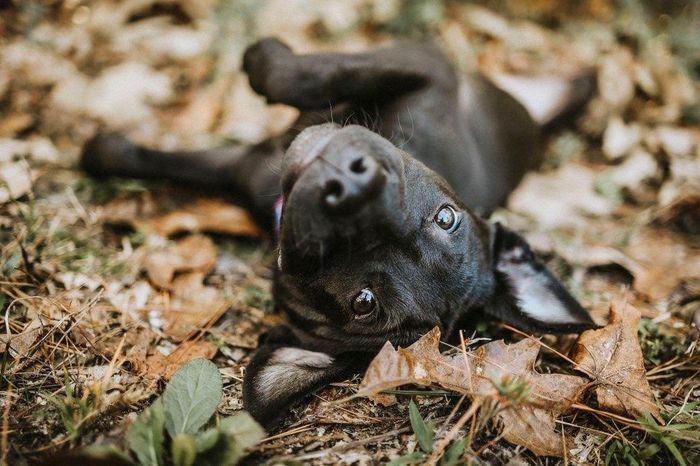
IMG951536.JPG

Why Dogs Are at Risk

Screwworm can infest nearly any warm-blooded animal. Cattle are the most commonly affected, and dogs come in second, ahead of cats, livestock, and wildlife. That ranking is exactly why veterinarians want pet owners looped into the conversation early.

Dogs that spend time outdoors, that are prone to scrapes, or that have a healing wound or surgical site are the most exposed, because the parasite needs an opening to get started. Stray and unowned animals face the highest risk of all, since they tend to pick up more injuries and rarely have access to veterinary care or routine prevention.

Signs of Screwworm to Watch For

Because early detection makes such a difference, it helps to know what a developing infestation looks like. Contact your veterinarian if you notice:

  • Visible larvae (maggots) in or around a wound
  • A wound that is getting worse quickly instead of healing

  • A foul or unusual odor, often described as smelling like decaying tissue

  • Swelling or irritation around an injury

Pay particular attention to body openings such as the nose, ears, and genital area, and to any spot where the skin is broken.

How to Protect Your Dog from Screwworm

Here is the reassuring part. Prevention looks a lot like attentive, everyday pet care, and you are probably already doing most of it. Texas A&M veterinarians recommend:

  • Check your dog regularly for wounds, cuts, and scrapes, especially after time outdoors.
  • Clean and treat any wound promptly, and keep an eye on it while it heals.

  • Watch healing surgical sites and any place where the skin is broken.

  • Keep your dog current on veterinary care and routine parasite prevention. Some of the products you may already use can help, and your vet can recommend what fits your dog.

  • Call your veterinarian right away if you notice a wound worsening quickly, a foul odor, visible larvae, or swelling around an injury.

If your dog has recently traveled to or from Mexico or an affected part of Texas, mention that to your vet, because travel history matters here. One of the early Texas pet cases involved a dog that had recently been in Mexico.

The single most powerful thing you can do is also the simplest: spot wounds early and treat them before a fly ever gets the chance.

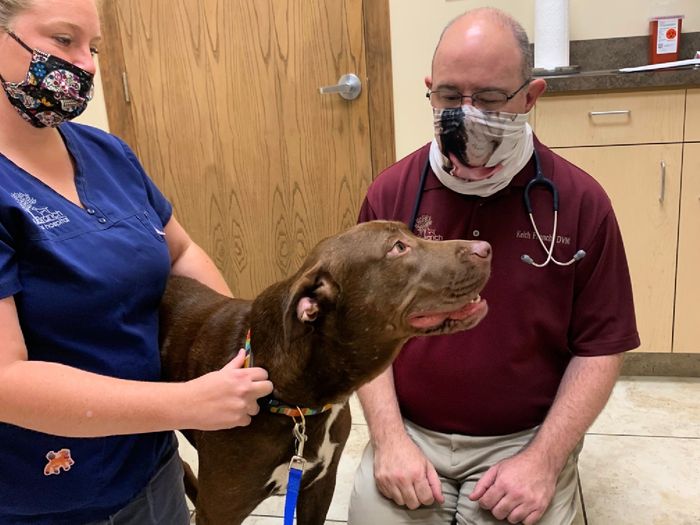
Wyatt7.jpg

What to Do If You Suspect Screwworm

The New World screwworm is a reportable parasite in Texas, which means suspected cases need to be flagged to animal health officials so the spread can be tracked and contained.

If you think your dog may be infested, call your veterinarian right away. Thanks to nearly a year of preparation, emergency-authorized treatment options for dogs and cats now exist that were not available before, so your vet has more tools than ever to help. Suspected cases in livestock can be reported to the Texas Animal Health Commission at 1-800-550-8242.

And here is the encouraging truth to hold onto: because this is an infestation rather than an infection, animals that are caught and treated early typically recover well. Speed is everything, and you are the first line of defense.

How Screwworm Is Affecting Pet Travel and Rescue Transport in Texas

The screwworm situation reaches beyond individual pets. Because the parasite is federally reportable, moving animals out of Texas now comes with added requirements, and that is reshaping how rescues and pet owners travel across state lines.

In response to the Texas and New Mexico cases, a growing number of states have added rules for animals arriving from Texas or from a designated screwworm-infested zone. The specifics vary widely and are changing almost weekly, but common requirements include a recent veterinary inspection (a Certificate of Veterinary Inspection, or CVI), a statement confirming the animal is free of screwworm, and in some cases an import permit or a waiting period. A handful of states have temporarily paused intake of Texas rescue and shelter animals altogether. Privately owned pets traveling with their owners generally face fewer hurdles than rescue transports, but requirements still apply, so it is worth checking before any trip.

The impact on rescue work has been real. Rescues report that New York, for example, currently requires a dog to spend about seven days outside Texas, with a new health certificate issued from that interim state, before it can enter. That means a dog with an adopter already waiting needs a safe place to stay for a week somewhere along the route, and Texas rescues are actively seeking foster and partner help in other states to bridge that gap.

Because these rules change frequently, do not rely on any list that may be out of date, including this one. Before moving any animal across state lines, confirm current requirements with:

How LSAWL Helps Montgomery County Pet Owners Stay Ahead

At LSAWL, our mission is "Bettering the Lives of our Best Friends." One way we do that is by sharing clear, reliable information like this, so pet owners across Montgomery County can stay ahead of emerging threats. We are always glad to be an educational resource for our community.

When it comes to screwworm, heartworm, and other prevention decisions, your veterinarian is the right person to guide you. They can recommend the products and protocols that fit your individual dog. If you do not have a regular vet, local practices and shelter wellness clinics in the area are a good place to start.

What LSAWL provides directly is affordable spay and neuter. If you need help accessing low-cost spay, neuter, vaccines, or microchipping in Montgomery County, we are here for you. Call LSAWL at (713) 304-2444 or visit lsawl.org.

Frequently Asked Questions About the New World Screwworm

What is the New World screwworm?

The New World screwworm (Cochliomyia hominivorax) is a parasitic fly whose larvae feed on the living tissue of warm-blooded animals, usually entering through an open wound. A female fly lays her eggs around the edges of a wound, and the larvae hatch within about 12 hours and begin feeding. Unlike common flies, screwworm larvae require a living host, which is what makes them dangerous if an infestation is not caught early.

Is the New World screwworm in Houston or Montgomery County?

As of mid-2026, no. The New World screwworm was confirmed in Texas in June 2026 for the first time in nearly 60 years, but the cases so far have been limited to South and West Texas, not Montgomery County or the greater Houston area. State and federal teams are actively working to contain it, and pet owners statewide are encouraged to stay informed.

What are the signs of screwworm in dogs?

Watch for visible larvae (maggots) in or around a wound, a wound that worsens quickly instead of healing, a foul or unusual odor, and swelling or irritation around an injury. Pay special attention to body openings such as the nose and ears, and to any healing surgical site. If you notice any of these signs, contact your veterinarian right away.

How can I protect my dog from screwworm?

The best protection is attentive wound care. Check your dog regularly for cuts and scrapes, clean and monitor any wounds, watch healing surgical sites, and keep your dog up to date on veterinary care and routine parasite prevention. Contact your veterinarian right away if a wound worsens quickly, develops a foul odor, or shows visible larvae. If your dog has recently traveled to or from Mexico or an affected area, let your vet know.

What should I do if I think my dog has screwworm?

Call your veterinarian right away, because early treatment makes an enormous difference. Emergency-authorized treatments for dogs and cats are now available, and most animals recover well when caught early. The New World screwworm is reportable in Texas, and suspected livestock cases can be reported to the Texas Animal Health Commission at 1-800-550-8242.

Can people get the New World screwworm?

It is possible but rare. Screwworm can infest warm-blooded animals including humans, but human cases are uncommon, and the risk to people remains low according to the CDC. It affects livestock and pets far more often. If you ever notice a suspicious lesion or maggots in a wound, seek medical care promptly.

Can I still travel or transport a dog out of Texas right now?

In most cases yes, but plan ahead and check first. In response to the 2026 screwworm cases, many states have added entry requirements for animals coming from Texas, such as a recent veterinary inspection, a screwworm-free statement, a waiting period, or an import permit, and a few have temporarily paused intake of Texas rescue and shelter animals. Privately owned pets traveling with their owners usually face fewer restrictions than rescue transports. Because the rules change frequently, confirm current requirements with the destination state's animal health agency, your veterinarian, and USDA's screwworm.gov before you travel. The AKC also maintains a state-by-state tracker that is updated on business days.

Protect the Dog You Love

The New World screwworm is a serious parasite, but it is also a preventable and treatable one, and the most important protection is something you already have: your attention. Check your dog, treat wounds early, and keep up with routine veterinary care.

If you need help accessing low-cost spay, neuter, vaccines, or microchipping in Montgomery County, LSAWL is here for you. Call (713) 304-2444 or visit lsawl.org.